Ginger Maple Applesauce

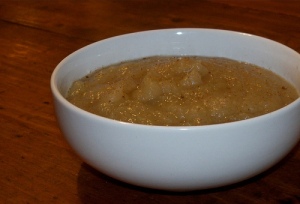
Homemade ApplesauceYesterday was the perfect fall morning at the Olympia farmers’ market. There was a crisp chill in the air, which significantly reduced crowd size. Still, given the offerings available this time of year at the market, the chill was worth it. Along with a dizzying array of organic apples from Washington’s bumper apple crops, there were large ears of corn, juicy plums, chanterelles, squash, pole beans, red and white raspberries, concord grapes, and many others. One of my favorite types of produce from fall in Washington State is pluots. A cross between a plum and an apricot, the pluot is like a juicy, sweet plum. If you come across these tasty stone fruit, give them a try. I think you’ll love them.

As far as I am concerned, however, the star of the show for fall is apples. I love apple season with a passion approaching my love for writing. In fact, as soon as the days grow shorter and the leaves start to change color, I begin cooking with apples. The dogs love it. They gather at my feet as I peel and chop, accepting tiny slices of apple they chew with great gusto. (Tip – never give your pets apple seeds, which contain traces of cyanide.) At the market yesterday, the variety was amazing. Braeburn, Fuji, Jazz, Lady Alice, Gravenstein, Pink Lady, Rose, Honeycrisp…it’s an apple lovers paradise.

I enjoy baking apple pies, crisps, cakes, and turnovers. I also like making a simple applesauce, which I will be making today from the organic Honeycrisp, Pink Lady, and Jazz apples I bought yesterday.

When cooking with apples, I take a minimalist approach. I like to let the flavors of the fruit shine through. This doesn’t mean lots of sugar or heavy spices. Instead I use just enough to enhance the natural flavors of the apples instead of overpowering them.  Some of my favorite spices to use include fresh grated nutmeg, cinnamon, allspice, cloves, and fresh grated ginger. I also usually use just a touch of lemon zest and lemon juice to prevent the apples from turning brown and bring out the tart notes.

Another trick for baking with apples is using a few different varieties in one dish. For instance, in my pies I often mix Granny Smith and Pink Lady apples. In fact, Pink Lady apples are my favorite eating and baking apples, followed closely by Honeycrisp.

Today, I will be making a simple applesauce. Recipe below.

Ginger Maple Applesauce

  • 4 Pink Lady apples – Peeled, cored, and chopped
  • 4 Honeycrisp apples,  peeled, cored, and chopped
  • 4 Jazz apples, peeled, cored, and chopped
  • 1 cup water
  • 1/2 cup pure maple syrup
  • 2 T. fresh ginger root, grated
  1. Place apples and water in a large pot and simmer on the stove top, covered until apples begin to break down, about 15 to 20 minutes.
  2. Remove from heat and stir, mashing apples together.
  3. Stir in ginger root and maple syrup.
  4. If you prefer a smooth applesauce instead of a rustic one, cool and process in a food processor or food mill.


Potato Leek Soup

potatosoupIt’s been a little blustery here in the Pacific Northwest the past several days. Weather like this makes me want to cook comforting foods that warm the belly. I am also in possession of my last CSA box, which contains beautiful organic leeks and potatoes.

It’s amazing and wonderful the earth gives us warmer, heavier foods as the weather changes. I started in spring with scapes and baby lettuce that made light spring and summer dishes, and have progressed through the season to these wonderful fall delights. Local, seasonal vegetables add variety to the menu, encouraging you to make the most of them as the earth offers them up.

The cold weather and the vegetables are telling me – it’s time to warm things up. While I’ll miss the gorgeous juicy tomatoes, I’m pretty happy with the potatoes and leeks, too. After all, on a blustery fall day when faced with a box of organic, fresh potatoes and leeks, what else is there to make but potato leek soup?

The good news about potato leek soup is it doesn’t have to be difficult. I think all told with my vegetable chopping prep and 20 minutes of simmering on the stove, this recipe took me 30 minutes. My version is minimalist and rustic, allowing the ingredients to speak for themselves.

When cooking with leeks, you need to clean them well because dirt gets trapped between the layers. To clean, chop the leeks and place them in a bowl of cold water. Swirl the leeks around in the water and then empty into a colander. Repeat this two to three times to remove all of the dirt. Allow the leeks to drain in a colander while you chop your potatoes.

Easy Potato Leek Soup

  • 1/2 pound of bacon, chopped
  • 4 leeks, chopped, including green parts
  • 1/4 c. flour (sweet rice flour for gluten-free)
  • 4-5 potatoes, unpeeled, cut into 1″ pieces (any work – but I especially love Yukon golds)
  • 6 c. gluten-free chicken stock
  • Sea salt and fresh cracked pepper, to taste
  • Chopped chives
  1. Cook bacon in a large dutch oven until crisp. Remove bacon from oil with a slotted spoon and set to drain on paper towel.
  2. Add leeks to bacon grease and saute until they begin to soften, about five minutes.
  3. Add flour and stir to combine, cooking for about two minutes to remove raw flour flavor.
  4. Stir in chicken stock, scraping the bottom of the pan to remove all browned bits.
  5. Add potatoes and bring to a simmer.
  6. Allow to simmer for about 20 minutes, until potato softens.
  7. Remove from heat and process about half of the soup in a blender, leaving the other half chunky. Add pureed soup back to pot and stir to combine. Alternatively, you can puree all of the soup for a smoother preparation.
  8. Taste and season with salt and pepper to taste.
  9. Serve topped with crisped bacon and chopped chives.
  10. This is great with a nice salad and a crusty bread.

Note: When you puree hot soup in a blender, be really careful. I once saw my mother spray lentil soup from a food processor all over the kitchen ceiling. This can happen because the pressure of steam builds up during pureeing if you don’t allow it to escape. When pureeing hot soup in a blender or food processor, place a folded towel over your hand to protect it, and allow steam to escape every few seconds.

Chanterelles and Basil

basilI had two great culinary surprises today. The first was the discovery when I entered the farmer’s market that it was chanterelle season! These woody orange mushrooms are almost always wild gathered and have a tender bite and delicately earthy flavor. Every year, I wait throughs summer for chanterelle season. I had a hunch that I’d be seeing them soon, but I was surprised they were already there today. My second surprise was a bunch of fresh, homegrown basil from a colleague. She had a huge bag that scented the air and disappeared quickly. I grabbed a bag and brought it home.

These are two of the best of this season in the Pacific Northwest. Right now you’ll also find giant heirloom tomatoes, sweet corn, apples, and the beginning of heartier winter vegetables.

Cooking Chanterelles

At first I tossed around combining my culinary treasures, but then I decided that I would cook them for two separate meals so my family could enjoy them longer. Tonight, I sauteed the chanterelles in a little butter, tossed them with some thyme and fresh garlic, and used them to top off a batch of mushroom risotto.

When cooking chanterelles, heat a pan to very hot and then add a small amount of butter. Add chanterelles in a single layer so every mushroom is in contact with the pan – do not overcrowd. Allow the chanterelles to saute until they release their liquid and the pan dries – about five minutes – before stirring. Stir and continue to cook for five minutes to brown the mushrooms. Add a dash of salt, some fresh thyme, and minced garlic. After adding the garlic, stir and immediately remove from the heat.

Chanterelles also make a great sauce. Cook as outlined above adding diced onions or shallots at the same time you add the mushrooms. After chanterelles have browned, add garlic and thyme, and then add a small bit of white wine, scraping the pan as the wine evaporates. Add 2 cups of chicken stock and allow to simmer until broth reduces by half. Stir in a swirl of heavy cream and taste to season. Use to top a protein like chicken or as a pasta sauce.

Chanterelles also bake well, so try adding them to a quiche.

Cooking with Basil

I am of the mind that basil loses a lot if you cook it. I believe that the value of basil is in its fresh flavor, so I almost always add fresh basil at the end of cooking. For example, I enjoy making a frittata and topping it with a chiffonade of fresh basil or some homemade pesto. You can also make a caprese salad, slicing heirloom tomatoes and fresh mozzarella, and then drizzling them with high quality extra-virgin olive oil and sprinkling them with torn basil leaves. Season to taste with a little sea salt.

How to Tweak Recipes

veggiesI’m not so much of a recipe follower. It’s not that I don’t own and read cookbooks. I do. I buy them, read them cover to cover, and occasionally pull them out to consult as I attempt to make some food that is similar to but not the same as something I read about at one point. It makes it difficult, because when people ask me for a recipe for something I’ve made, I kind of don’t have one. Still, I’ve become so adept at eyeballing things and knowing about how much I added over the years that I can close my eyes, watch myself make whatever it is I cooked, and create a recipe from that.

Still, it all starts with a recipe; something I see, taste, or read about somewhere and decide, “Y’know, I’d really like to take a crack at that!”

I’ve grown this ability to develop flavors over years of practice, and from reading cookbooks like novels. I store it all in my mind until one day I realize I’ve got a hankering to make something I’ve never tried before. After that, it may take a few more times before I come up with techniques and ingredients that really make it pop, and then the “recipe” becomes part of my repertoire, although it’s never quiet exactly the same way twice because I never can resist tweaking.

Even as a kid I was a recipe tweaker. I followed them a lot more closely back then, just switching out a spice here or extract there to give them my own spin. Things usually tasted pretty darn good, so as I got older, I also got bolder.

That’s not to say that everything I make is a resounding success. There have been a few times when we’ve all taken a bite of something, looked at one another in silent agreement, and headed for the car to grab a bite to eat. I know it’s a total flop when I get home and the dogs didn’t even try to get on the table to eat the dregs. Those times have become rarer, though, as I’ve grown more adept at building flavors and creating things.

Want to tweak recipes yourself but lack the courage? Here are some tips.

  • Get some great cookbooks. I am a huge fan of all of Cook’s Illustrated cookbooks (I own several), because they not only provide recipes, but they walk you through the process of making the foods, explaining why one flavor is better than another or providing flavor-building techniques. For me, the meat of the books is in the explanations about the recipes, not the recipes themselves. They really are among the best cooking instruction books I have ever seen.
  • Don’t believe what you see on TV. Television shows don’t have enough time to really teach you how to cook. Instead of watching for recipes, watch for tips and techniques you can adapt to your own cooking.
  • When you’re baking, follow the recipe. Baking is a little different than other types of cooking, because it relies on specific chemical and physical processes. If you do try to adapt a baking recipe, just change a single ingredient at a time so you can see exactly what happens.
  • More is not always better, but sometimes it is. It depends on what you are cooking, but sometimes adding additional spices really jazzes something up. If you want the flavor of the base food to stand out however, then use a light hand with herbs and spices.
  • Learn some basic techniques that you can use to build dishes. For example, learn to make a roux, which serves as a great thickener and flavor builder for many sauces, stews, soups, and gravies.
  • It needs salt. No, really, it does. It may not need much, but salt enhances flavor, and brings things alive. When cooking meats, I season the proteins before cooking. When making soups, stews, sauces, etc., I taste for seasoning at the end.
  • Use unsalted butter. Seems contrary to what I said above, but you want to be able to control the saltiness. When you’re using salted butter, you can’t.
  • When in doubt, return to the classics. The basic flavor base of all French savory cooking is the mirepoix, a dice of two parts onion to one parts carrot and celery. You can use this as your flavor base, and then add other vegetables or herbs.
  • Explore classic flavor pairings and see how you can utilize them in your cooking.
  • Add a little wine or beer. These can add tremendous flavors to foods. Add them early in the process so they cook off most of their alcohol flavoring.
  • Try a new herb. Ever had saffron? A few threads can do wonders for rice and other dishes. Ever tried tarragon? It’s one of my favorites!
  • Switch out grains. Occasionally, when I make risotto I switch orzo for the aborio rice. I cook it the same way, and the result is different than a traditional risotto but still really good.
  • Switch the protein. Got a recipe for boeuf bourguignon but what you really want is coq au vin? Change your protein to chicken, and you’ll come pretty darn close, I promise.
  • Bacon makes it better. It adds startling complexity and a lovely smokiness to many dishes. Saute the bacon, add your mirepoix, and then toss in any other ingredients.
  • Take a class. Its surprising how much you can learn from cooking by taking a class. With a few basic techniques, you’ll be a cooking superstar.
  • Share tips with your friends. What a great way to gather – invite friends over and share your favorite dishes, demonstrating so everyone learns how.
  • Learn the best way to cook various proteins. That way, when you have a cut of meat you know whether it will best benefit from braising, sauteing, grilling, or some other cooking method.
  • Don’t be afraid to try new techniques. Never poached an egg? Put a little red wine in a pan and give it a whirl.
  • If you’re flying solo, don’t be afraid to consult a cookbook for cooking time, temperature or some other piece of information.

Cipollini Onions

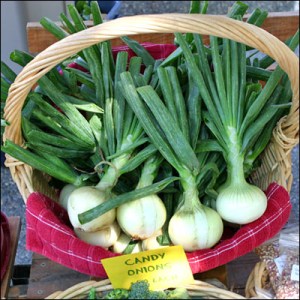
cipolliniI scored a true bonanza in this week’s CSA box: cipollini onions. These small, flat onions have an amazing sweetness with less bite than typical onions, and they roast up to a creamy, toasted sweetness. I enjoy roasting them with potatoes or tossing them with a balsamic glaze. If you’ve never tried cipollini onions before, look for them and give them a try. You’ll see exactly why they are my very favorite onion.

Roasted Red Potatoes and Cipollini

Ingredients

  • 2 lbs. baby red potatoes
  • 1 lb. peeled cipollini onions
  • 3 tbsp. olive oil
  • Sea salt and fresh cracked black pepper
  • 2 tbsp. chopped fresh rosemary

Method

  1. Preheat the oven to 400 degrees.
  2. Toss onions and potatoes in olive oil and spread on a baking sheet.
  3. Sprinkle with salt, pepper, and rosemary.
  4. Bake for 40 minutes, until potatoes are soft.

Balsamic Glazed Cipollini (Cipollini Agrodolce)

Ingredients

  • 2 lb. cipollini onions, peeled
  • 1/2 c. unsalted butter (or olive oil for dairy free)
  • 1 tbsp. sugar
  • 1 c. quality balsamic vinegar
  • 1 c. water
  • 1 tsp. chopped fresh rosemary
  • Dash salt

Method

  1. In a 12″ saute pan, melt the butter until it bubbles and foams.
  2. Add the onions, browning on them on all sides, about 10 minutes.
  3. Add sugar, vinegar, and water.
  4. Reduce heat. Cover and simmer for about 30 minutes, until onions are el dente.
  5. Remove lid and simmer until liquid reduces to syrup.
  6. Sprinkle with rosemary and salt to taste.

German Apple Pancake

pancakeI grew up with an apple tree in my backyard. That may explain, at least in part, why I get so excited this time of year when the farmer’s markets are filled with bins of bright, colorful apples in a dizzying array of varieties. I am drawn to the rosy orbs as a moth to a flame, and I frequently arrive home from my farmer’s market Saturday with bags of the beautiful fruit.

I love to cook with apples. So far, I’ve gotten no objections from my family. I love their firm feel in my hand as I peel them, and the tart scent that arises when I slice them. I love their crisp snap, and the scents of complimentary spices, reminding me of fall. Apple season is here, and dang it, I couldn’t be more excited!

When I cook with apples, my dogs line up in the kitchen to “help.” As I prepare my apples, I cut them tiny, crisp slices. I have an insanely crazy affection for the sound of my dogs chewing on crispy apples.

While many varieties exist, I have a few favorites for cooking. Usually, I mix up a few varieties in any recipes in order to obtain variations in texture and sweetness that adds a delicious complexity. Some of the varieties I particularly enjoy include:

  • Pink Lady
  • Honeycrisp
  • Lady Alice
  • Braeburn

Over the next several weeks, I’m guessing you will be seeing some apple recipes appearing in this blog. I hope you’ll indulge me and pardon my enthusiasm. I hope you’ll even venture out to a farmer’s market to take advantage of fall’s bounty and then try some of the recipes I offer. Today, I’m going to start with a favorite that I share with my kids when I get on one of my several weeks’ long “pancakes from around the world” kicks where every weekend I make pancakes ostensibly from another country.
&nbsp

German Apple Pancake
 
Ingredients

  • 4 eggs, beaten
  • 1/2 cup flour
  • 1/2 tsp. baking powder
  • 1 tbsp. white sugar
  • 1/4 tsp fresh grated nutmeg
  • Dash salt
  • 1 cup whole milk
  • 2 tsp. vanilla extract
  • 2 tbsp. melted unsalted butter
  • 3 tbsp. unsalted butter
  • 1/4 to 1/2 c. sugar
  • 1 large apple, sliced (I like honeycrisp for this, though any apple will do)

Method

  1. Preheat the oven to 425 degrees.
  2. In a blender or food processor, beat eggs.
  3. Add flour, baking powder, sugar, nutmeg, and salt and process to combine. Leave blender running.
  4. Combine wet ingredients (milk, vanilla, 2 tbsp. unsalted butter), and pour slowly into running blender or food processor until ingredients are well combined. Set aside.
  5. In a 12″ skillet you can put in the oven, heat 3 tbsp unsalted butter to bubbling.
  6. Sprinkle part of the sugar in the butter and arrange apple slices over the top. Sprinkle the remaining sugar on top of apple slices.
  7. Saute over medium high heat for a few moments, until apples begin to soften.
  8. Carefully pour the batter over the top of the apples and move the pan to the oven.
  9. Bake for 15 minutes at 425 degrees. Reduce heat to 375 and bake an additional ten minutes.
  10. Slice into wedges and serve, sprinkled with powdered sugar.

Steamer Clams

clamsEven though school has started, summer is not quite over. Here in the Pacific Northwest, late summer and early fall offer up gorgeous weather that entices you outdoors before the rainy season begins again.

One of my favorite seasonal dishes for this time of year is steamer clams. While many people head to the beach at low tide to dig for these local delicacies, I typically buy mine at the farmers’ market where someone has already done the majority of the work for me. You might also be able to find small manila clams at the grocery store in the seafood section.

You can purchase steamer clams several hours ahead of cooking and keep them refrigerated or on ice until you use them. Always use steamer clams the same day, and make sure your source is providing the freshest clams possible.

I live in a household that loves clams. Resultantly, I buy them in bulk when I plan to cook them for the main meal. Jim and Tanner by themselves can put down about five pounds of the bivalves and still look around for something else to eat. As an appetizer, however, you can cook fewer.

I prefer making the clams in a simple wine and butter broth redolent with herbs. It not only provides tremendous flavor to the clams, but it also serves as a delicious base for dipping crusty bread to supplement the meal. To round out our traditional late summer supper of clams and bread, I include sweet corn on the cob, a simple green salad with whatever seasonal veggies I have around and a crisp white wine or beer.

Cooking steamer clams isn’t so much a recipe as a series of steps I follow. I don’t really measure – I just toss in ingredients.

How to Cook Steamer Clams

Ingredients

  • Grass-fed butter
  • Chopped shallots or sweet onions
  • Chopped fennel bulb
  • Clams
  • Dry white wine
  • Fresh lemon juice and zest
  • Fresh cracked pepper
  • Salt to taste
  • Chopped fresh tarragon

Method

  1. On the stovetop, melt butter in a large pot.
  2. Saute shallots or onions and fennel in butter until soft.
  3. Add clams, white wine, juice of one lemon, zest from half the lemon, and pepper. Stir to combine.
  4. Cover the pot and allow to steam, stirring occasionally, until all of the clams have opened. Discard unopened clams.
  5. Taste for seasoning and stir in tarragon.

Variation
Replace fennel with chopped garlic and tarragon with chopped fresh basil. Stir in fresh chopped tomatoes with the basil.

Tips for Building Flavor in Soups and Stews

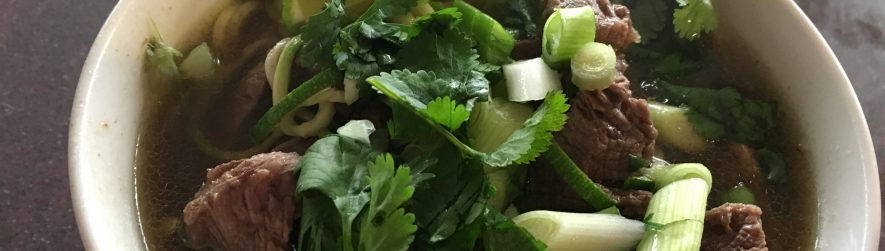
soupAs we move towards fall, it’s the perfect time to incorporate soups and stews into your rotation. Many delicious seasonal vegetables are available throughout the fall that you can toss into a hearty soup or braise.

One of the things I really like about soups and stews is they are never the same twice. In fact, you can use pretty much whatever you have on hand to create something unique and flavorful. I don’t really follow recipes to create soups and stews, but I do utilize certain techniques to layer flavors and bring out the best in my ingredients.

Techniques – Soup & Stews

Creating soups and stews is pretty easy. In this case, a stew is merely a thickened soup with bigger chunks of vegetables and heartier chunks of meat. Here are some basic techniques.

  • Start by sauteing your protein in a little bit of olive oil using the pot in which you will be cooking your soup or stew. Season the protein with salt and black pepper, and then place in preheated olive oil. You can use chicken, beef, turkey, Italian sausage, bacon, pancetta, hamburger, or other meats you might enjoy in a soup. Remove the protein from the oil with a slotted spoon and set aside.
  • Build your flavor base with aromatic vegetables. I almost always use mirepoix, which is merely a dice of two parts onion to one part carrots and celery.
  • Saute the mirepoix. If you are going to add garlic, do so in the last 30 seconds to a minute before you begin adding other ingredients.
  • If you are making a stew or braise, add about 1/4 cup of flour to the vegetables and oil. Stir for a few moments to remove the raw flour flavor.
  • Add liquid. I prefer adding chicken, vegetable, or beef stock. In stews, I add about a cup of wine before adding the stock, and I stir to thicken it. Then I add the stock. You can make your own stock or purchase store bought; however, if you are using beef stock I recommend making your own. If I do use store-bought stock, I prefer aseptic packaging.
  • Add meat back into the pot, along with any vegetables you’d like to include such as mushrooms, squash, potato chunks, beans, peas, zucchini, etc. Sometimes I also add canned tomatoes or canned kidney beans.
  • Add herbs like thyme, parsley, or sage and a little cracked pepper. For some heat, add a dash of cayenne or red pepper flakes. A little goes a long way.
  • Simmer until vegetables are tender and meat is completely cooked.
  • Taste for seasoning and adjust.

Tips for Building Flavor

  • Fresh and seasonal ingredients taste better than canned, boxed, or jarred. Whenever possible, build your meals around fresh ingredients that are in season where you live.
  • Purchase the best ingredients you can afford.
  • Opt for fresh garlic and onions rather than dried or powdered.
  • When you cook garlic, it is done as soon as it becomes fragrant. Overcooking or using too high of heat can make it bitter.
  • Dried herbs tend to be more potent than fresh herbs, but both impart great flavor.
  • A little bit of salt brings out flavors. Don’t skip it.
  • Other than seasoning your protein before you cook it, don’t season until the end of cooking. Taste for seasoning and adjust as necessary.
  • As you saute your meat, when you first place it in the pan, leave it in contact with the pan for several minutes before you move it in order to develop flavorful caramelization. Once the protein browns (after about 4-5 minutes), turn it and do the same thing.
  • Avoid overcrowding the pan with meat, because it will prevent caramelization.
  • Do the same thing with your mirepoix. Leave it in contact with the pan for 3-4 minutes to develop caramelization before you stir the vegetables.
  • Add even more flavor by adding a tablespoon or two of tomato paste to the cooked vegetables and allowing to saute for 4-5 minutes. This develops a deep, rich, brown flavor.
  • When you add the flour to the oil and vegetables, allow it to get a little bit of color. A slight golden color to your roux (the combination of flour and oil) will add tons of flavor.
  • When you first add your liquid, use a wooden spoon to scrape any browned bits off the bottom of the pan, which has huge flavor payoff. This is called deglazing.
  • If you are making an Italian soup or stew, simmer a little Parmesan rind in with the soup and remove before serving.
  • Tips for Making Your Own Stock
  • Making stock is not difficult. Simmer protein (such as chicken), herbs and vegetables in water for a long period in order to extract as much flavor as possible. Remove solids. Some tips:
  • When I chop and peel veggies, I place the trimmings in a ziploc bag and toss it in the freezer. Then I use those trimmings to make the stock.
  • Since I am going to be removing all solids anyway, I don’t really chop my vegetables. Instead, I cut onions in quarters, cut carrots in half, and toss celery in whole. I also add whole fresh herbs and peppercorns. For your flavor base, make sure you use two parts onion to one part each celery and carrot. Whatever else you toss in there is up to you.
  • For seafood stock, you can add things like shrimp shells, which have a lot of flavor and will be filtered out anyway.
  • Since you’re pulling the flavor out of the meat and into the stock, it’s best not to reuse any meat after you pull it out of stock. It’s pretty flavorless. Because of this, you can buy meat you wouldn’t normally put in a finished dish – like chicken necks or beef bones.
  • I simmer my stock for 2-3 hours. It’s not the classical 8-hour way of cooking it, but for homemade soup, it’s fine.
  • You may have heard that you need to never boil stock and constantly skim it. This is pretty time consuming. For most soups and stews, you can skip this and just pour the finished product through some cheesecloth to remove the worst impurities.
  • Avoid salting stock if it is going into something else. Instead, make it without salt and then season your final dish.
  • For an even more flavorful stock, roast your bones and meat first.

Cooking Salmon

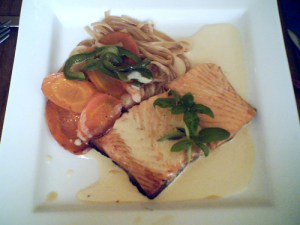
salmonI have a shameful secret. Although I live in the Pacific Northwest, I do not enjoy salmon. It’s nothing personal. It’s more that I just do not like any fish that tastes fishy. That pretty much precludes anything except for halibut, and sometimes even that is over the top as far as I am concerned.

On the other hand, I live in a household of fish lovers, and we frequently entertain other fish lovers. Therefore, in spite of my personal taste, I’ve had to learn to cook salmon. I have two recipes that glean particular praise and are relatively easy. Even I don’t mind eating salmon prepared this way. Love might be going a bit far because I simply do not like fish, but others do love these and I can eat them without gagging. Thanks to Cooks Illustrated, where I learned the perfect method for grilling salmon using a two-level heat system.

Some tips for selecting salmon.

  • Select the freshest fish you can get, and cook it within 24 hours. The flesh should be bright pink, and it should not smell “fishy,” but rather clean and slightly briny.
  • Rinse and dry the fish before you cook it.
  • For best flavor, choose wild caught Pacific salmon. If you’d like a real treat, use these recipes with Copper River salmon when it becomes available in the spring.
  • I prefer cooking filets to steaks. Use pliers to remove any small bones, and cut the salmon into individual-sized pieces to cook.
  • These are grilling recipes. You can alter them for sauteing on the stovetop, however. Heat your pan over medium high heat, add a little olive oil, and saute starting skin side down. It should take about 3 minutes per side. Glaze before flipping the salmon. You can also use an indoor grill like the Foreman grill. Glaze the salmon before placing on the grill. It will take about 2-4 minutes to cook the salmon through.
  • Other glazes that work well with salmon include honey and reduced balsamic vinegar with a little sugar added.

Salmon with Cherry Orange Glaze
Ingredients

  • Juice of one orange and 2 strips of orange zest about 1″ x 1/2″
  • Juice of one lemon
  • One cinnamon stick
  • 3-4 whole cloves
  • 1/2 cup cherry preserves
  • 1 cup chicken broth
  • 1/2 cup port
  • 1/4 cup marmalade
  • 2 teaspoons of cornstarch
  • 1 tablespoon water
  • 1/8 teaspoon of cayenne (or to taste)
  • Salmon filets, cut into individual sized pieces
  • Salt and fresh cracked pepper to taste

Method

  1. Over a high heat, bring orange juice and zest, lemon juice, cinnamon, cloves, cherry preserves, and chicken broth to a boil. Lower heat to medium and allow to simmer and reduce by about 1/4 – about 10 minutes.
  2. Remove cinnamon, cloves, and orange zest.
  3. Add port and marmalade and simmer about five minutes.
  4. Dissolve the cornstarch in water and whisk into glaze. Simmer to thicken, about 15 seconds.
  5. Add cayenne and taste for seasoning. Add salt and pepper as needed.
  6. Cool sauce.
  7. Season salmon fillets, and preheat your grill over high heat. Turn off one half of the grill and leave the other on high.
  8. Carefully clean the grill and oil it.
  9. Place salmon on grill over the hot side, flesh side down for one minute.
  10. Flip salmon to skin-side and glaze the top. Allow to cook for 3-4 minutes, until salmon is opaque about 1/2 to 3/4 through the fish. Glaze the salmon with sauce.
  11. Oil the side of the grill with the burners turned off. Flip the salmon flesh side down again onto the oiled part of the grill. Allow salmon to cook through and begin to caramelize, about two minutes. Serve immediately with glaze on the side.
  12. Reglaze the salmon, and serve.

Maple Glazed Salmon
Ingredients

  • 1/2 cup pure maple syrup
  • 1/4 cup soy sauce
  • Dash cayenne
  • Salmon filets cut into individual portions
  • Salt and pepper to taste

Method

  1. Preheat grill on high.
  2. Combine maple syrup and soy sauce in a shallow pan.
  3. Place salmon fillets, flesh-side down, in soy/maple mixture and allow to marinate at room temperature, about 15 minutes.
  4. Remove salmon from marinade and pour marinade into a pan. Bring marinade to a boil and simmer to reduce until thick and syrupy. Add cayenne.
  5. Season salmon with salt and pepper.
  6. Clean the grill and turn heat off on one side.
  7. Oil the grill on the hot side.
  8. Place salmon, flesh side down on hot oiled grill, about one minute.
  9. Flip the salmon to skin side down on the hot side and grill for about 3-4 minutes. Glaze salmon.
  10. Oil the cooler side of the grill. Flip the salmon onto the oiled grill, flesh side down, and allow to cook until glaze begins to caramelize, about two minutes.

A classic northwest pairing? Salmon and Pinot Noir. Try a powerful Oregon Pinot from Beaux Frerers.

Chicken Pot Pie

chickenpieWhen I was a kid, I HATED chicken pot pie. My mom would buy the Swanson’s premade chicken pies and bake them. The mushy vegetables and cubes of super soft chicken weren’t appetizing to me. Worse, they contained what I considered to be the most awful vegetable on the face of the earth. Peas.

I hated peas with a vengeance as a kid. For a while, I tried hiding them in my napkin or throwing them on the floor. Sadly for me, my mother was just a little cleverer than that I gave her credit for being, so those avenues of pea disposal were lost to me. I can recall a few dinners sitting long after everyone else was done eating, staring down the slimy green objects I found so disgusting. Then I hit on the perfect solution. If I swallowed them whole with my milk, I didn’t have to taste them at all. Chicken pie, however, made this exercise more of a challenge, and I dreaded seeing those Swanson’s boxes on the counter.

In high school, a close family friend was also my home economics teacher. Etta Kirk taught a class called Meal Management, and we made all sorts of really great foods like cream pies and cinnamon rolls. We also made chicken pie, a lesson I knew was coming and dreaded with the same intensity I used to fear seeing a bag of frozen peas in the freezer. Still, Etta encouraged us to try everything we’d cooked in the class. The chicken pie didn’t suck, but it still wasn’t my favorite. I avoided it for years.

It wasn’t until about five years ago that I had a revelation. I was a grown up, and I could put whatever vegetables I wanted into my chicken pie, and there didn’t have to be a single pea in it. I set out on a mission to create a chicken pie that I would love.

Here’s the good news. If you love peas, you can add them into this recipe. You can change up the herbs and vegetables, and make a chicken pie that suits your palate if you just use the really simple techniques I outline below. The result will be a rustic, delicious, comforting chicken pie that is sure to become a family favorite. The best part? You don’t even need to know how to make pie crust. I’ve hit on a simple solution that has earned rave reviews. Instead of making pie crust, I purchase pre-made puff pastry sheets in the grocer’s freezer section, and top my pie with that.

Deep Dish Chicken Pie

Ingredients

  • 1/4 pound raw pancetta, diced (you can find pancetta in the deli section of the grocery store. You can also use bacon, which will impart much smokier flavor. I prefer pancetta.)
  • 2 tablespoons olive oil or butter
  • 1 pound chicken thighs, boned and quartered
  • Kosher salt and fresh cracked black pepper
  • 1 sweet onion, diced
  • 2 carrots, peeled and diced
  • 2 stalks celery, diced
  • 1/4 cup flour
  • 1 cup dry white wine
  • 3 cups chicken stock
  • 1/2 bag frozen pearl onions
  • 1/2 pound crimini mushrooms, quartered (mushroom haters – these are optional)
  • One sheet frozen puff pastry, thawed on the counter for 30 minutes, plus flour for rolling
  • 1 egg, beaten slightly
  • 3 tablespoons fresh or 2 tablespoons dried tarragon

Method

  1. Preheat the oven to 400 degrees.
  2. In a large saute pan, heat oil on medium high and cook pancetta. Remove pancetta from oil with a slotted spoon and set aside in a deep pan such as a deep dish pie dish or a 9 x 9 deep dish square pan.
  3. Season chicken with salt and pepper and cook in oil from pancetta in batches, allowing it to caramelize before turning it over. Do this by leaving chicken in contact with the pan for 3-4 minutes before flipping it. You do not need to cook chicken all the way through – just allow it to develop flavor by browning it on both sides. Do not overcrowd the pan. I typically perform this step in 2-3 batches. Remove chicken from pan and set aside with pancetta.
  4. Using the same pan and oil, add diced onions, carrots, and celery (mirepoix). Leave the vegetables in contact with the pan to allow flavor to develop before stirring, about 3 to four minutes. Stir and allow vegetables to soften. Reduce heat to medium.
  5. Add flour to the vegetables and oil, stirring constantly for two minutes.
  6. Add wine to pan, stirring constantly and scraping any browned bits from cooking off the bottom of the pan.
  7. Add chicken stock and allow to come to a simmer and thicken slightly, stirring constantly.
  8. Pour the mixture over chicken and pancetta in deep dish pan. Add mushrooms,  pearl onions and tarragon. Stir to combine.
  9. On a floured surface, slightly roll out your sheet of puff pastry so it is large enough to overlap the edges of your pan. Place on top of the deep dish and crimp the edges by pinching them between your fingers.
  10. Brush beaten eggs along the top of the crust in a light wash.
  11. Bake for 40 minutes, until crust is golden brown. Serve immediately.

Serve this with a nice dry white like a Chardonnay.

Some tips:

  • Prepare all of your proteins and vegetables before you start cooking, so that everything is set out and ready to go when it is time to cook. This is referred to as “mise en place,” which means everything in place. This is the best way to cook anything – with all of your ingredients pre chopped, pre-measured, and ready to go before you cook.
  • Mirepoix is a standard combination of diced carrots, celery and onions. Try to cut all of your vegetables to roughly the same size so they cook evenly. The standard measurements for mirepoix are two parts onion to one part carrot and one part celery. It serves as a flavor base for many dishes.
  • Develop flavor by leaving chicken and vegetables in contact with the pan so it starts to caramelize. Don’t skimp on this step, because it makes a huge flavor difference, adding layers of complexity to your cooking.
  • Don’t shorten your cooking time with the flour. When you add flour to oil or melted fat (even if there are vegetables in the oil), you are making a roux. A roux is a standard way of thickening
  • When you add the wine to the pan, make sure you scrape all of the browned bits off the bottom  to incorporate the flavor into the broth.
  • If you wish to add other vegetables (like peas), use fresh rather than frozen, and add them just before you put the crust on top and put the pie in the oven.
  • You can trade tarragon for thyme, which is also really good in this recipe. If you add thyme, a little garlic would be nice, as well. Add it in the last few moments of sauteeing your vegetables, right before you add the flour. Garlic doesn’t need to cook long. As soon as you can smell it, it’s good enough. If you cook it too long, it grows bitter. If you are using tarragon, don’t add garlic – because the garlic will overwhelm the delicate character of the tarragon.