Roasted Root Veggies

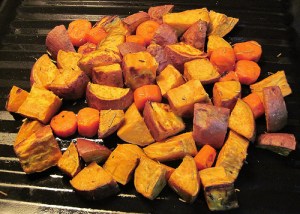
sweetpotatoesThese aren’t your traditional sweet, sticky potatoes. Instead, they are a simple roast of julienned potatoes that bring out the slightly sweet, nutty flavor of the potatoes.
  • 1-2 sweet potatoes, peeled and julienned.
  • 2-4 Yukon gold potatoes, peeled and julienned
  • 3 tablespoons olive oil
  • 2-4 shallots, thinly sliced
  • 3 tablespoons chopped, fresh thyme
  • 2-4 tablespoons minced red onion
  • 1 clove garlic, put through garlic press
  • 1 tablespoon butter, melted (eliminate for dairy-free)
  • Salt and fresh cracked black pepper to taste
  1. Heat oven to 400 degrees.
  2. In a large roasting pan, toss potatoes and sweet potatoes with olive oil, shallots, thyme, and onion.
  3. Spread in a thin layer across the bottom of the pan.
  4. Roast for 20 minutes until brown.
  5. Remove from onion and toss with butter, garlic, salt, and pepper.

Braised Belgian Endive

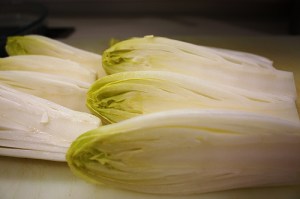
endiveThis recipe comes out sweet and nutty. It’s a great simple vegetable side dish.

  • 2 heads Belgian endive per person, sliced lengthwise into two pieces
  • 3 tablespoons butter (or olive oil for dairy-free)
  • 2 teaspoons sugar
  • Salt and fresh cracked black pepper to taste
  • Juice of one lemon
  • 1/4 cup gluten-free chicken stock
  • 1/4 cup white wine
  1. Heat a small amount of butter in a skillet over medium heat until bubbly.
  2. Sprinkle sugar into butter evenly over surface of skillet.
  3. Place endive in pan, cut side down.
  4. Cook 3-4 minutes until browned and then flip.
  5. Cook 3-4 minutes until brown on other side.
  6. Turn again. Add wine, chicken stock, and lemon juice.
  7. Bring to a simmer.
  8. Reduce heat and cover.
  9. Simmer until fork tender.
  10. Season with salt and pepper to taste.

Orange Ginger Cranberry Sauce

  • cranberries1 bag fresh cranberries
  • Juice of two oranges
  • 1/4 cup water
  • Zest of one orange
  • 2 tablespoons fresh grated ginger
  • 1 cup sugar (or use stevia or honey for paleo)
  • Fresh grated cinnamon to taste.
  1. Place berries in a non-reactive saucepan.
  2. Add orange juice, water, sugar, ginger, and orange zest.
  3. Boil until cranberries begin to pop.
  4. Reduce heat to simmer and cook until cranberries release their pectin and sauce is desired consistency.
  5. Add cinnamon to taste.
  6. Refrigerate overnight before serving.

Soy/Honey Chicken Legs

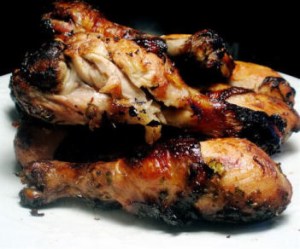
  • drumstick2 lbs chicken legs
  • 1/4 cup gluten-free soy sauce
  • 1/4 cup honey
  • 2 tablespoons gluten-free ketchup
  • 1 teaspoon garlic powder
  1. Preheat oven to 375 degrees.
  2. Place chicken legs in a baking dish.
  3. Whisk together soy sauce, honey, ketchup and garlic powder.
  4. Pour over drumsticks.
  5. Bake for one hour.

Variations

  • Wrap chicken legs in thin sliced bacon before coating with sauce.
  • Replace honey with maple syrup.
  • Grill chicken legs and brush with glaze

Orange Creme Brulee

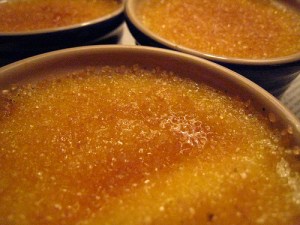
  • 4 cups heavy creamcremebrulee
  • Dash salt
  • 2/3 cups sugar
  • 1 vanilla bean
  • Zest of one orange
  • 12 egg yolks
  1. Pour 2 cups of heavy cream in a saucepan.
  2. Split vanilla bean in half and scrape out seeds. Put seeds and pods into cream in pan.
  3. Add sugar, salt, and orange zest.
  4. Heat to boiling over medium heat, stirring constantly.
  5. When cream boils, remove from heat and allow to steep for 15 minutes.
  6. Preheat oven to 300 degrees.
  7. Add remaining 2 cups of cream to steeped cream.
  8. Crack egg yolks into a bowl and whisk.
  9. Whisk cream mixture into yolks.
  10. Strain mixture through a fine mesh sieve into eight 4 to 5 ounce ramekins.
  11. Place ramekins in a 9 x 13 cake pan lined with a towel.
  12. Place pan in oven.
  13. Pour several cups of boiling water into the cake pan, being careful not to splash it into ramekins.
  14. Bake for 25-30 minutes, until custard is set in center but still wiggles around the middle.
  15. Remove from water bath to a wire rack. Cool to room temperature for about 2 hours.
  16. Cover with plastic wrap and place in refrigerator overnight.
  17. Sprinkle the tops of custards with about 1 teaspoon of sugar and caramelize with a kitchen torch.

Shrimp Tequila Chowder

shrimp tequila chowderI reverse engineered this from Azteca Restaurants Shrimp Diablo Chowder. I think it’s pretty close, and very delicious!

Shrimp Tequila Chowder

  • 1 lb shrimp, peeled, deveined, tails removed, and cut into fourths
  • 1/2 cup tequila, divided
  • Juice of 2 limes
  • 3 cloves garlic, put through a garlic press
  • 3 tablespoons oil or butter
  • One onion, diced
  • 1 jalapeno, seeded and minced
  • 1 carrot, peeled and diced
  • 3 tablespoons flour (use sweet rice flour for gluten-free)
  • 4 cups gluten-free chicken stock
  • 1 can Rotelle (tomatoes and peppers)
  • 1 can crisp summer corn, drained
  • 1 lb red potatoes, cubed
  • 2 cups heavy cream
  • 1/4 teaspoon chipoltle
  • 1/2 teaspoon dried cumin
  • 3 tablespoons corn starch, dissolved into 3 tablespoons chicken stock
  • Salt and fresh cracked pepper to taste
  1. Combine 1/4 cup tequila, lime juice, and garlic in a small bowl. Toss with shrimp and set aside.
  2. Heat oil or butter in a soup pot.
  3. Add onions, jalapeno, and carrots. Saute until carrots are soft, about 5 minutes.
  4. Add flour and stir until raw flour flavor is gone – about four minutes.
  5. Stir in remaining 1/4 cup tequila, scraping up any bits on bottom of pan.
  6. Add chicken stock, Rotelle, corn, potatoes, cream, cumin, and chipoltle.
  7. Bring to a simmer and cook until potatoes are tender.
  8. Stir in corn starch slurry.
  9. Remove shrimp from marinade and stir into soup.
  10. Taste for seasoning and add salt, pepper, and additional chipoltle to taste.

Here’s the chowder with a paleo makeover (although tequila is not technically paleo). If you’re watching carbs, this version has about 12 grams of carbs per serving (it serves 8). Leave out the celeriac and it has about 10 grams of carbs per serving.

  • 1 lb shrimp, peeled, deveined, tails removed, and cut into fourths
  • 1/2 cup tequila, divided
  • Juice of 2 limes
  • 3 cloves garlic, put through a garlic press
  • 3 tablespoons fat (I use duck fat)
  • 1 pound grass fed chorizo (I use bison chorizo from US Wellness Meats)
  • One onion, diced
  • 1 jalapeno, seeded and minced
  • 1 carrot, peeled and diced
  • 4 cups homemade chicken bone broth
  • 1 can organic, sugar-free tomatoes and peppers (or organic canned crushed tomatoes plus 1 small can organic diced jalapeños)
  • 1 lb celeriac, peeled and cubed
  • 1/4 teaspoon chipoltle
  • 1/2 teaspoon dried cumin
  • 1/4 cup arrowroot powder, dissolved into 1/4 cup water
  • Salt and fresh cracked pepper to taste
  1. Combine 1/4 cup tequila, lime juice, and garlic in a small bowl. Toss with shrimp and set aside.
  2. Heat fat in a soup pot.
  3. Add chorizo and cook until it is browned. Remove it from the fat with a slotted spoon and set it aside on a platter.
  4. Cook the onions, jalapeno, and carrots in the fat that remains in the pan. Saute until carrots are soft, about 5 minutes.
  5. Stir in the remaining 1/4 cup tequila, scraping up any bits on bottom of pan.
  6. Add chicken broth, tomatoes and peppers, celeriac, cumin, and chipoltle.
  7. Bring to a simmer and cook until celeriac is tender.
  8. Stir in the arrowroot slurry.
  9. Remove shrimp from marinade and stir into soup. Return the chorizo to the pot.
  10. Taste for seasoning and add salt, pepper, and additional chipoltle to taste.

Perfect Hash Browns

hbMy family loves potatoes. In fact, frozen hash browns were one of the first foods my now-teenaged son cooked for himself when he was about 7. The problem with the frozen and pre-packaged hash browns, however, is that they often contain preservatives, chemicals, and lots of salt. They also don’t taste all that great. The good news is that making them from scratch is ridiculously easy. They taste better and are less likely to contain ingredients you don’t want in your diet. Here’s how I make perfect homemade hash browns.

  1. Peel a few potatoes. I really like russets or Yukon golds for this purpose, but you can use any type.
  2. Using a box grater (or a food processor), grate the potatoes and set them aside.
  3. Halve an onion (I like sweet onions for this) and remove the skin.
  4. Grate 1/2 an onion per two potatoes used, and mix the onion in thoroughly with the potato.
  5. Next, you need to squeeze all of the excess moisture out of the potatoes and onions. This is critical for browning. I like to use a potato ricer to do this, but you could also place them in a colander and press with a spoon until no more moisture comes out, or wring them wrapped in a towel. Try to remove as much moisture as you can.
  6. Place potatoes and onions on a clean paper towel and blot away any excess moisture.
  7. Heat a few tablespoons of unsalted butter or olive oil for dairy-free on the stovetop over medium high heat in a non-stick pan.
  8. Spread the potatoes and onions in a thin layer on the preheated pan. Allow potatoes to sit in contact with the pan until brown – about 4-5 mints (or longer, depending on the temperature of the stove).
  9. Turn potatoes and repeat.
  10. Season to taste with sea salt and fresh cracked pepper.
  11. Serve immediately.

Clam Chowder

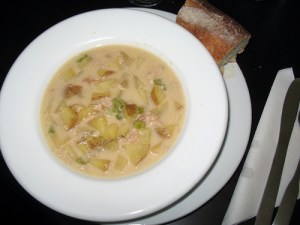
chowderI love  making soups because it’s just so darn difficult to go wrong, and with a simple base, you can change the ingredients around and have something completely different. Soup is also inexpensive, satisfying, and you can make large batches to freeze for use on days when you don’t have time to cook. Soups are also a great way to sneak veggies to picky eaters, and you can make them light or heavy.

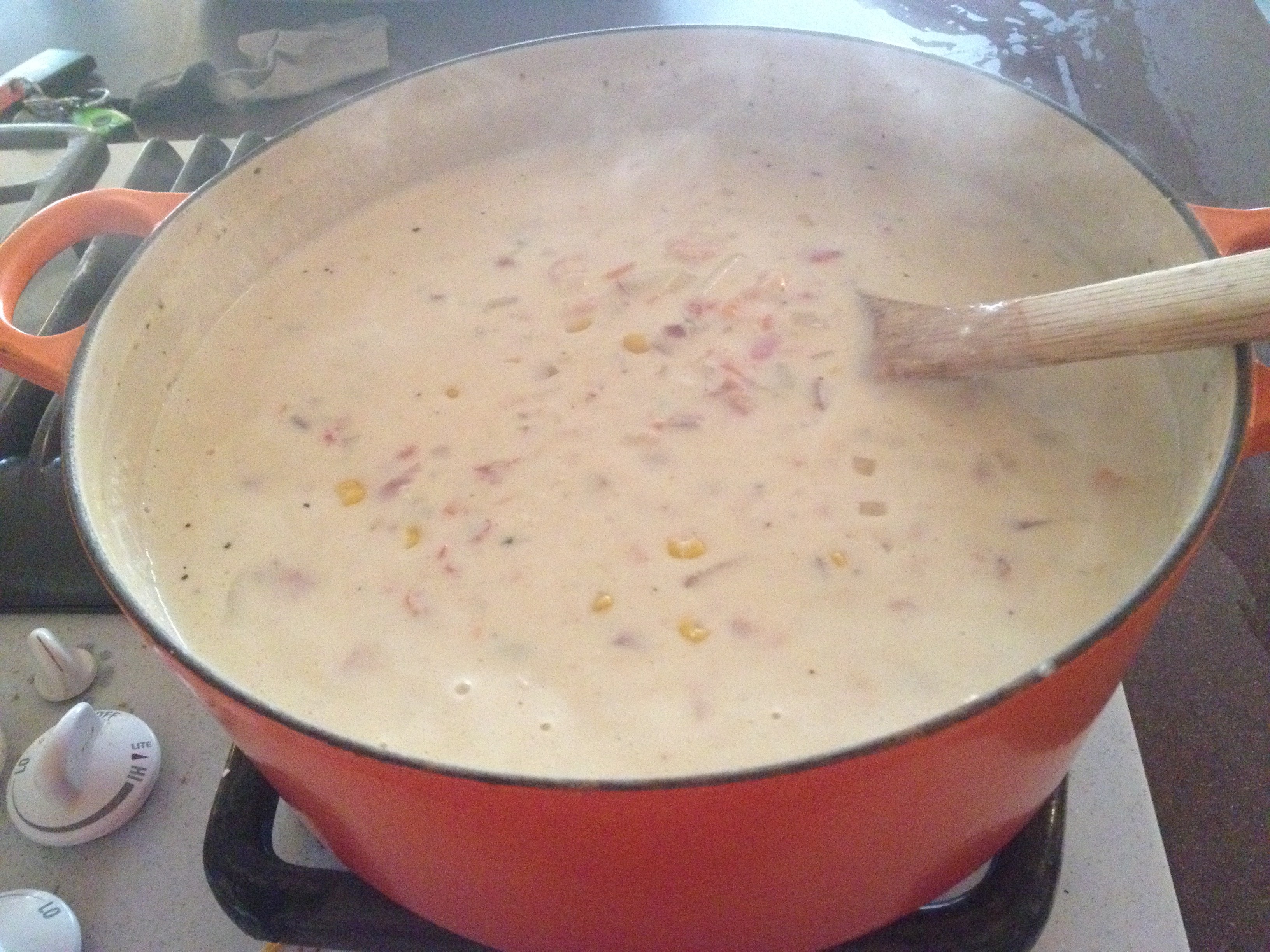
Right now, I’ve got a big pot of clam chowder simmering on my stove. Chowders are incredibly easy to make, and to adapt for personal taste. For instance, if you don’t like clams you could turn it into a shrimp, lobster, shellfish, or even corn chowder. With a clean and neutral flavor base, you can also change up the herbs and seasonings you use. Tonight’s chowder has a non-traditional mirepoix. Instead of using carrots, celery, and onions for it, I used carrots, onions, and fennel – which is a terrific replacement for celery. It has a licorice like flavor that I really love.

My clam chowder is pretty easy.

  1. I start with several slices of pepper bacon – and saute it in my soup pot until it is crispy.
  2. Next, I add chopped onion, fennel, and carrots, and saute them until they are soft.
  3. I turn my bacon and veggies into a roux, adding about 1/4 cup of flour (or sweet rice flour for gluten-free) for every 3 cups of stock I will add. I let the raw flour flavor cook off, stirring, for about two minutes.
  4. Then, I add gluten-free chicken stock. As I add the stock, I scrape my pan with my spoon to get all of the flavor that is sitting in the bottom in the form of browning on the pan.
  5. As the broth thickens and starts to simmer, I add cubed red potatoes (skin on) and give it a good stir.
  6. I add a little fresh cracked pepper and some thyme.
  7. I let the broth simmer until the potatoes are soft – about 10-15 minutes depending on the size.
  8. I add clams – either canned or fresh and stir them until they are cooked through – about five minutes for raw, or just a minute or two for cooked clams.
  9. I taste and add seasoning (salt, additional pepper if needed).
  10. I swirl in a little bit of cream (eliminate for dairy-free).

That’s it. Ten easy steps. You can change up veggies and herbs to your preference. You can add more vegetables for a chunky chowder, or less for a thinner one.

Guacamole

guacEver since I was a kid, I have loved avocados. My favorite way to eat them is naked in all their glory, sliced. They are creamy, sweet, and a little grassy with a soft, smooth texture. This past weekend, I mixed up a batch of my second favorite way to eat avocados for a Super Bowl party.

Learning to make great guacamole is not difficult. Many people have turned to premade seasoning packets, but to quote my son, “Those are no good.”

While it seems like opening a spice packet and mixing it in to a bunch of smooshed avocados is, indeed, easier than making it homemade, it really isn’t so much less time consuming that it makes up for the vast difference in flavor between what Tanner calls, “the homemade stuff and the fake stuff.”

Before I give you my guacamole recipe, here are some tips:

  • Hass avocados make the best guacamole. Those are the ones with the dark green, pebbly skin.
  • Avocados should be heavy, but when you place a gentle pressure with the thumb, the flesh underneath should yield but not sink.
  • The skin should be dark green – almost black, but not wrinkled or shrunken. This chart shows you the differences between unripe, perfect, and overripe.
  • I include jalapenos or Anaheim peppers in my guacamole. Anaheim are slightly milder than jalapeno, and both can be made milder by carefully removing the inner ribs and seeds.
  • I like to roast my peppers before putting them in the guacamole, which makes them milder and adds complexity. Roasting is easy. Brush the outside of the peppers with a little olive oil and place under a broiler. As skin browns, turn the peppers a quarter turn and then another and another until the entire pepper is browned. Cool, and then peel the skin and remove seeds and ribs.
  • For a smokier guacamole, replace your peppers with minced chipotle chile.
  • Carefully clean and dry the cilantro. Wet cilantro can make your finished product watery. Remove as many of the stems as possible before chopping.
  • Mix up the guacamole a few hours ahead and let rest in the refrigerator to allow flavors to blend. To keep the guacamole bright green, place plastic wrap directly on its surface, and then cover the entire bowl with plastic.
  • I like to leave my guacamole a little chunky. It makes it far more interesting with chunks of veggies and avocado. I semi-mash about half to 3/4 of the avocados, leaving a few lumps, and then I cube the rest and toss them in at the end.
  • Many people like tomatoes in their guacamole. I don’t add them. I think it makes the guacamole too watery, and I only like tomatoes when they are in season. If you want to add them, go for it, but remove the inner juice and seeds before adding to avoid watering down your finished product.

Here’s the recipe.

Guacamole

  • 2 Hass avocados, peeled and pitted
  • 1/4 of a red onion, finely minced
  • 1/2 of a bunch of cilantro, washed with stems removed, and finely chopped
  • 1-2 peppers (jalapeno or Anaheim), seeds removed and finely minced
  • 1 clove garlic, pressed through a garlic press
  • Juice of 1 lime
  • Sea salt to taste
  1. Place avocados, onion, cilantro, peppers and garlic in a bowl and mix to combine, lightly mashing with a fork to the desired consistency.
  2. Squeeze lime juice over the top and mix in thoroughly.
  3. Add a little salt and taste for seasoning. Continue to add salt a little at a time, tasting after each addition until you reach the desired level.

Coq au Vin

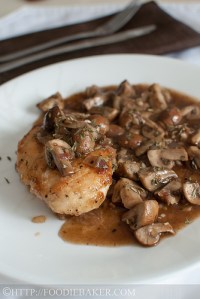
coqJim and I were working side-by-side in the kitchen last night. Actually, since I was in the midst of the world’s worst hot flash, he was cooking and I was instructing. Jim isn’t much of a cook – something he’ll freely admit. He can follow instructions pretty precisely and do okay. He’s awesome on the grill. He sometimes comes across something he decides is a “magic ingredient” and begins adding it to absolutely everything he cooks (such as the great Emeril Lagasse Kicked Up Gahlic Salad Dressing explosion of 2002 where he combined the salad dressing and green beans, wrapping it in a tortilla because, hey – it’s a burrito). But really what Jim does is heat stuff up so that it is warm enough to ward off bacteria and food-borne illness. This is how many people cook – with the goal of getting the food cooked, rather than making it flavorful.

On the other hand, building flavor is pretty easy if you know a few cooking techniques. If you can get food to the proper temperature in order to serve it, if you can combine ingredients in a recipe to make a dish, then you can begin to build flavors in your food. Best of all, it won’t take that much longer than just following the recipe ingredient by ingredient and your food will improve by leaps and bounds.

One of the best ways to build flavor is via the Maillard reaction. I know – it sounds all fancy, but it’s really pretty simple. When meat browns, it happens due to the Maillard reaction. When bread browns, same thing. Essentially, what you need to know about the Maillard reaction is this: it adds flavor to food. At its most basic, the Maillard reaction occurs when heat is added to foods containing amino acids and carbohydrates. In food terms, it adds tremendous savoriness meats and other foods.

For example, how do you like your steak? I am a medium rare gal, myself, but I know some people who like their steak super rare in the middle. Yet these same people wouldn’t consider eating a cut of meat that is entirely uncooked. When you are served a rare steak in a restaurant, it arrives crisp and brown on the outside, but when you cut into it, it is nearly raw. And most of the flavor on that steak comes from the brown part on the outside (as well as seasonings), which has browned due to the Maillard reaction.

To promote the Maillard reaction in your cooking:

  • Don’t crowd the pan. That inhibits the reaction and instead causes steaming. I work in batches.
  • Leave whatever you are cooking in contact with the heat without moving it for several minutes until it browns. Do this with vegetables, mushrooms, onions, meats. This allows for tremendous flavor development.
  • If you are thickening with flour, add it to the heated fat in the pan and then let it cook for a few minutes to develop flavor.
  • When you add liquids to a pain that you’ve browned meat and/or vegetables in to make a sauce, don’t waste the flavor that is stuck to the pan. Use the side of a wooden spoon to scrape the browned bits off the bottom of the pan.

Let’s look at the application of the Maillard Reaction in a recipe for coq au vin.

Coq au Vin

  • 6 thick slices bacon, chopped
  • One chicken, cut into pieces, skin left on
  • Salt and black pepper to taste
  • 1 lb button mushrooms, quartered
  • 1-1/2 cup pearl onions (fresh or frozen)
  • One onion, diced
  • One carrot, peeled and diced
  • One celery stalk, peeled and diced
  • 4 cloves garlic, sliced
  • 6 tbsp flour (or sweet rice flour for gluten-free)
  • Two cups dry red wine
  • Two cups gluten-free chicken stock
  • 2 Tbsp thyme
  1. Preheat oven to 350 degrees.
  2. In a large, oven proof pot such as a dutch oven, cook bacon over medium high heat until crisp. Remove bacon from fat with a slotted spoon and set aside.
  3. Season chicken pieces with salt and pepper. Working in batches, cook the chicken pieces in the bacon fat until skin is browned on both sides.
  4. Remove chicken from pan and set aside. Add the mushrooms to the oil in the pan. Allow them to stay in contact with the pan for about four minutes to brown before stirring them. Continue to stir and cook for a few more minutes. Remove from oil with a slotted spoon and set aside.
  5. Add pearl onions to the pan, allowing them to stay in contact with the pan and brown for a few minutes before stirring. Once cooked, remove them from the pan and set aside.
  6. Add mirepoix to pan (diced onions, carrots, celery). Cook in the oil without stirring until they are browned. Once browned, stir and cook until tender.
  7. Add garlic and continue to cook, stirring until garlic releases its scent – about 30 seconds.
  8. Sprinkle the flour over the vegetables and stir to cook flour about four minutes.
  9. Pour wine into pan, scraping the bottom of the pan and stirring as you do. Cook for a few minutes to remove alcohol flavors.
  10. Add chicken stock and thyme. Stir to combine.
  11. Return chicken, mushrooms, pearl onions, and bacon to the pan, making sure you add any juices that have accumulated, as well. Stir to combine and bring to a simmer.
  12. Cover pan and place in preheated oven. Cook 60 minutes, until chicken is tender. Serve with egg noodles or rice if you prefer gluten-free.